A practical overview of what people mean by “blood thinners” and why different drugs create different emergency risks.
Two main categories
| Category | What it does | Common examples | Typical use cases |
|---|---|---|---|
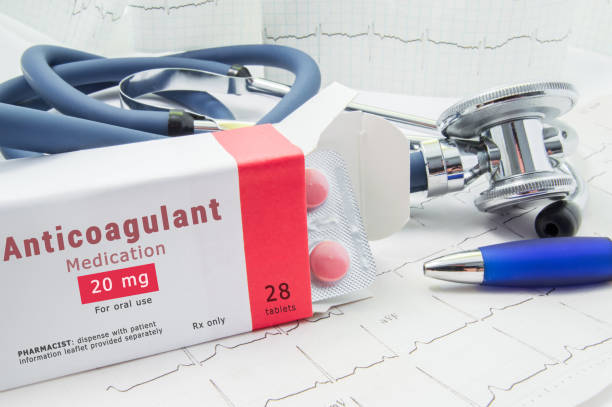
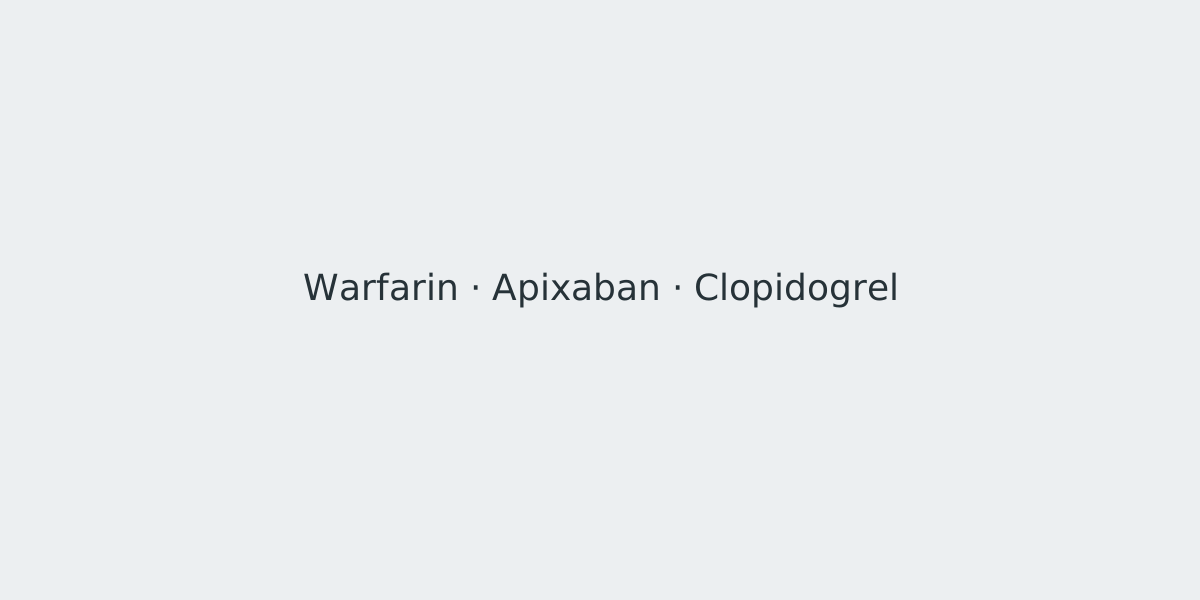
| Anticoagulants | Reduce clot formation by targeting the coagulation cascade (“clotting factors”). | Warfarin; DOACs like apixaban, rivaroxaban, dabigatran, edoxaban | Atrial fibrillation (stroke prevention), DVT/PE treatment, some mechanical valves (warfarin) |
| Antiplatelets | Reduce platelet aggregation (platelets are first responders in clotting). | Aspirin; clopidogrel; prasugrel; ticagrelor | Coronary artery disease, post‑stent, prior heart attack / stroke prevention |
Drug selection and risk profile vary by indication, kidney function, age, and other medications.
Why the label “blood thinner” is misleading
- These drugs do not literally “thin” blood. They change how quickly blood clots.
- In trauma, that difference matters: bleeding can be harder to stop, and internal bleeding can progress silently.
- Some drugs have targeted reversal agents; others rely on supportive measures and time.
If you can’t remember the drug name
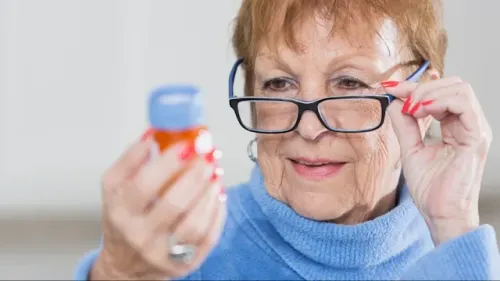
- Bring the pill bottle or a photo of the label.
- Keep a note on your phone lock screen (drug + dose + last dose time).
- Consider a medical ID bracelet/card, especially if you travel or live alone.
Deep dives
Anticoagulants
Warfarin and DOACs: what makes them different, why timing matters in emergencies.
Open →
Antiplatelets
Aspirin and P2Y12 inhibitors: persistent bleeding, combination risk, practical notes.
Open →
Emergency rule of thumb: if there is potential for internal bleeding (especially head injury), get urgent assessment and disclose your blood thinner immediately.