Trauma & emergencies: fast disclosure saves time
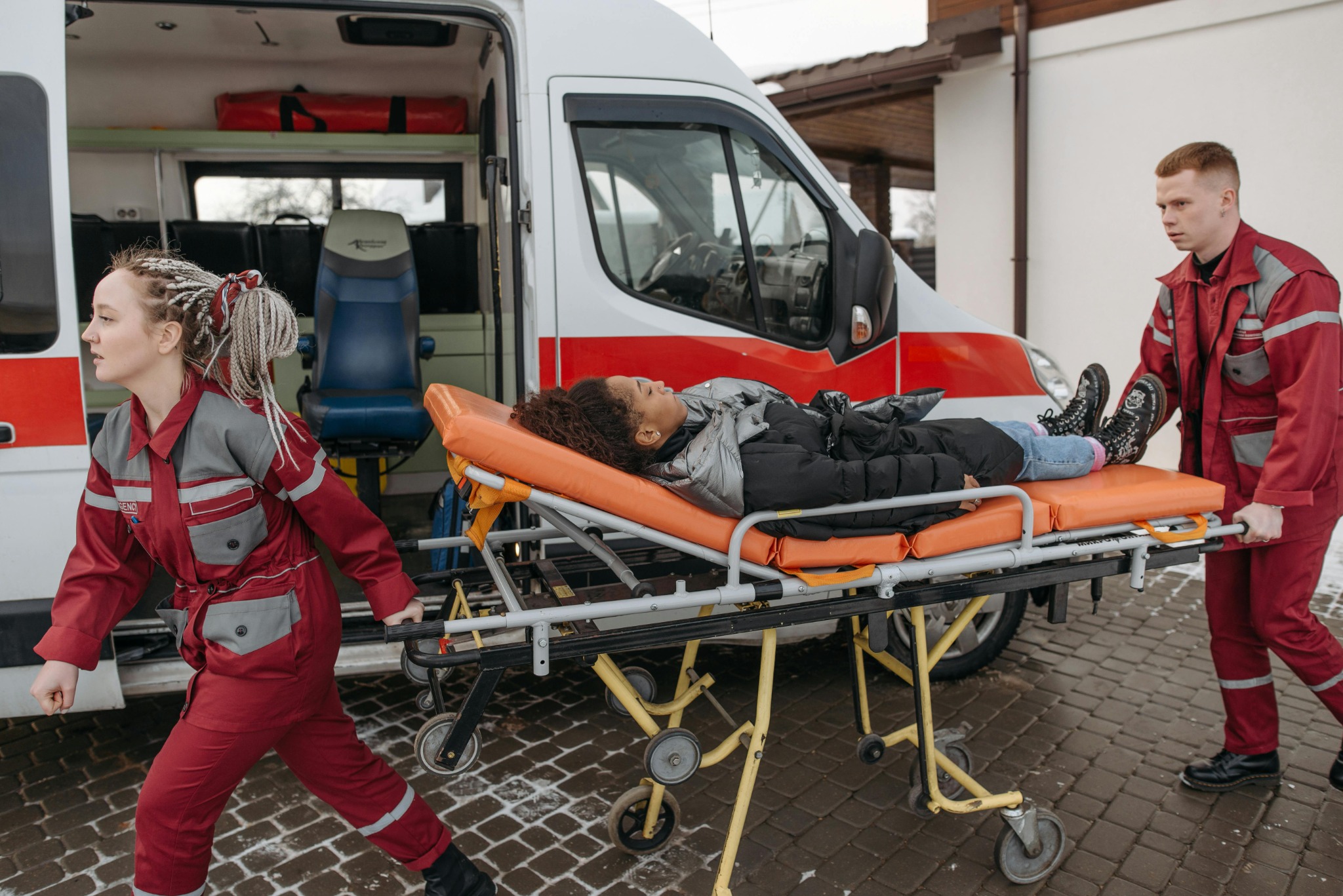
In trauma, time and information matter. The most helpful thing you can do is disclose your medication early and clearly.
The 30‑second script (say this first)
“I take a blood thinner. The name is _____. My last dose was about _____. I hit my head / was in a crash / may be bleeding internally.”
If you can’t speak, show a note on your phone or a wallet card.
Common trauma situations where risk is underestimated
- Ground-level falls (especially older adults)
- Bike/scooter crashes, sports collisions
- Car crashes without obvious external bleeding
- Abdominal impact (seatbelt injury) with later dizziness or pain
What to do immediately
- Call your local emergency number for severe symptoms, heavy bleeding, or head trauma.
- Apply firm direct pressure to external bleeding with a clean cloth.
- Do not take additional aspirin/NSAIDs unless a clinician tells you to.
- Bring medications (or photos), and don’t drive yourself if symptoms are significant.
Reversal in concept (not instructions)
Reversal options depend on the drug and situation. Some agents are drug-specific; others are supportive. The decision is made by clinicians based on bleeding severity, location (e.g., brain), and clotting risk.
See the Evidence page for high-level references.
Emergency rule of thumb: if there is potential for internal bleeding (especially head injury), get urgent assessment and disclose your blood thinner immediately.